
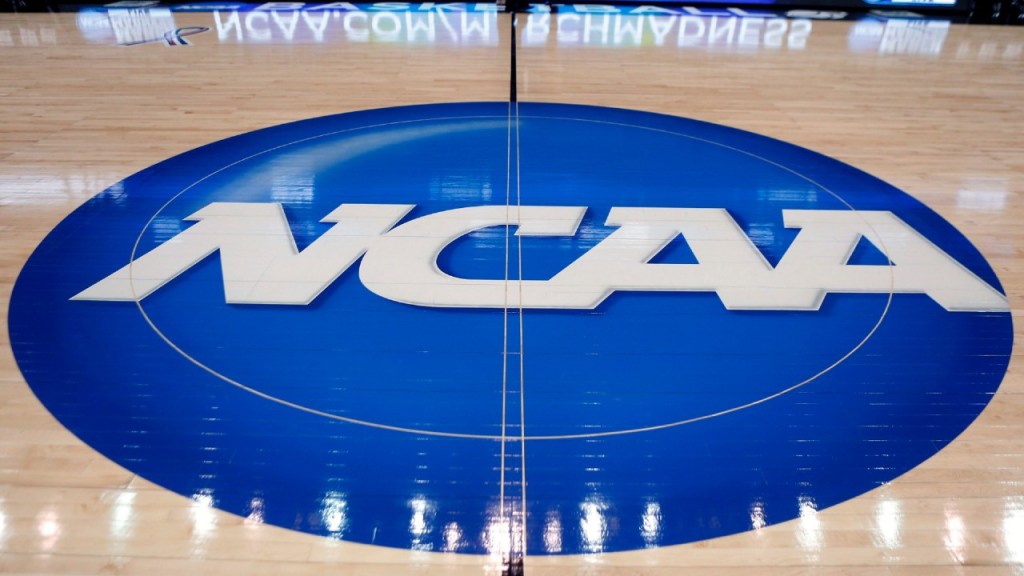
Here’s a little assignment I had to do for my class. Hope y’all enjoy it.
One major change I would make to improve the current college sports system is to establish a standardized revenue-sharing model for the athletes. This would ensure that all athletes receive fair compensation for the profits and attention they generate for their school programs. This could involve splitting revenue from broadcasting rights, sponsorships, as well as merchandise sales. These revenues and payments would correspond to the individual athletes’ proportion to their contributions to their programs. This would result in added fairness, equity and reduce the exploitation of college athletes.
According to the NCAA, the organization exceeded a revenue of $1.1 billion in 2022. Much of this comes from media rights (March Madness, CFP, etc.). Historically, the universities and the coaches benefited greatly from these profits, whereas the athletes, those who are actually driving in the revenue, have not been compensated for their efforts (NIL doesn’t derive from the team’s success). Scholarships address some of the issues, but they often do not factor in living expenses such as housing, healthcare, food, and the opportunity cost of staying in school rather than declaring for their respective sport’s draft.
Although NIL deals (Name, Image, and Likeness) have proposed a positive step forward, they disproportionately favour high-profile athletes in well-known programs, leaving smaller market programs and their players shadowed by the success of bigger schools. Having a standardized revenue-sharing model could help with smaller universities’ athletes, and even those who do not receive NIL deals in larger schools.
Further, this model would compensate athletes for the labour-intensive training and work they provide for their schools. Athletes sacrifice much of their social lives, and academic time to devote their lives to the sport. This of course comes at a cost. By compensating them for this time, would rectify a system in place that could be considered as exploitative. Moreover, this would promote universities to prioritize the well-being of their athletes, resulting in a healthier and more sustainable college sports world.
Although critics argue that compensating athletes would disrupt the ecosystem of college sports, their argument ignores that college sports have already been greatly commercialized. Between lucrative deals with broadcasting companies, apparel, and sponsorships, the college sports industry has already become a business world. Adding a revenue-sharing system would not only make the sport healthier, but it would modernize the system.
A major concern with this system would surround smaller programs. It may place a financial strain on these programs, as they do not generate large amounts of revenue. To address this issue, the NCAA could place programs where smaller schools do not have to share as large of a percentage of their income as the five-star schools. Further, a pooling-type system could be implemented, where some revenue generated from bigger schools would be pooled and dispersed amongst the one-to-three-starred schools.
In summary, a standardized revenue-sharing model would improve the college sports ecosystem greatly. It would promote fairness, equity and accountability amongst the schools as well as the athletes.
Works Cited
National Collegiate Athletic Association. (2022). “NCAA Finances.”
ESPN. (2021). “The Impact of NIL on College Sports.”
USA Today. (2023). “Revenue Disparities in College Sports: Challenges and Solutions.”
The Atlantic. (2022). “The Case for Revenue Sharing in College Sports.”

 Skates, Spikes, and Sidelines
Leave a comment